
Root Canal Treatment (RCT)
Root Canal Treatment
What is Root Canal Treatment ?
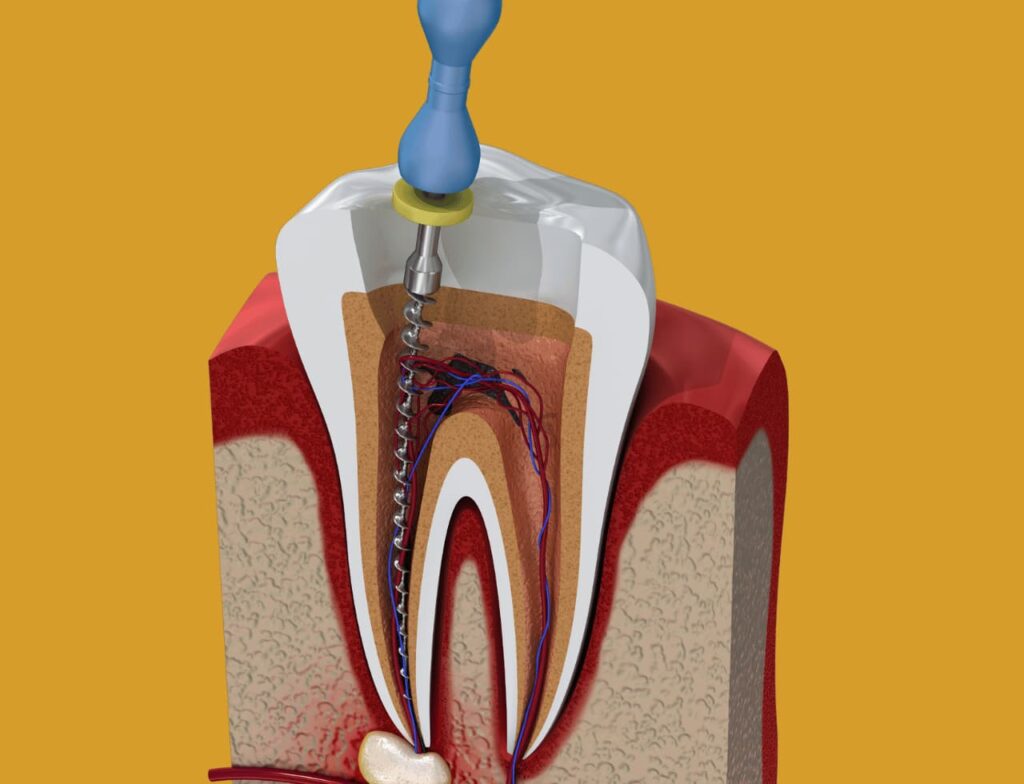
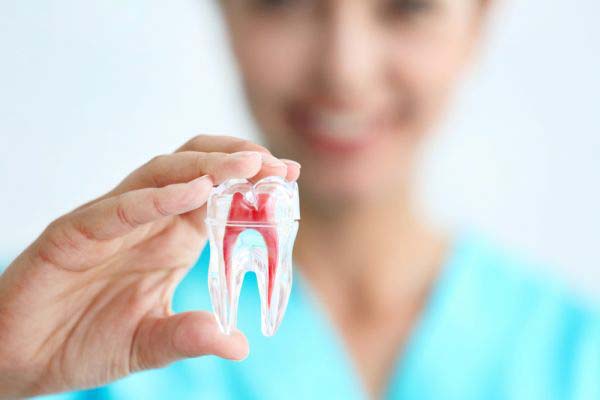
Root canal treatment (RCT) is an advanced dental procedure used to save a tooth that is badly decayed, infected, or damaged. Inside every tooth there is a soft tissue called the pulp, which contains nerves and blood vessels that help the tooth grow and stay healthy. When this pulp becomes infected due to deep cavities, repeated dental procedures, cracks, or trauma, it can cause severe pain, sensitivity, swelling, and even abscess formation. Root canal treatment is performed to remove this infected pulp, clean the inside of the tooth thoroughly, and preserve the natural tooth structure. Instead of extracting the tooth, RCT focuses on saving it, which helps maintain normal chewing function, speech, and overall oral health.
Benefits of Root Canal Treatment ?
Root canal treatment offers several important benefits that make it one of the most effective dental procedures for saving damaged teeth. The most immediate benefit is pain relief, as it removes the infected nerve tissue that causes intense toothache and sensitivity. It also stops the spread of infection to surrounding teeth, gums, and jawbone, preventing more serious dental complications. Another major advantage is that it allows you to keep your natural tooth instead of replacing it with an artificial option like an implant or bridge. Natural teeth always provide better strength, function, and appearance compared to replacements. After treatment and proper restoration with a crown, the tooth can function normally for many years. Additionally, RCT helps maintain the natural alignment of teeth, preventing shifting or bite problems that can occur after tooth loss. decisively nay man yet impression for contrasted remarkably.
Procedure of Root Canal Treatment
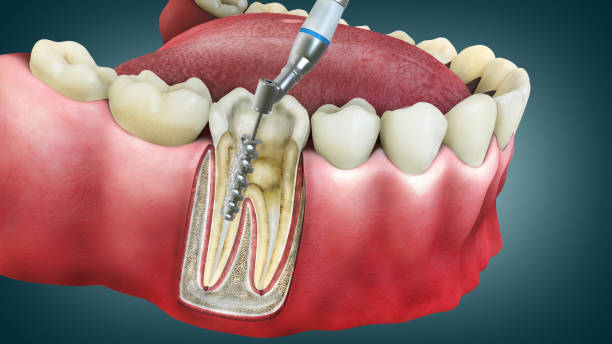
The root canal procedure is usually carried out in a few careful steps to ensure complete cleaning and long-term success. First, the dentist examines the tooth using X-rays to assess the extent of infection and plan the treatment. Local anesthesia is then given to numb the area, ensuring the procedure is comfortable and pain-free. The dentist creates a small opening in the tooth to access the infected pulp, which is then carefully removed from the root canals. After removal, the canals are cleaned, shaped, and disinfected using specialized dental instruments to eliminate bacteria and prevent reinfection. Once thoroughly cleaned, the empty canals are filled with a biocompatible material and sealed tightly. In most cases, a crown is placed over the treated tooth to restore its strength and protect it from future damage. The healing process is usually smooth, and with good oral hygiene and regular dental check-ups, a root canal-treated tooth can last for many years or even a lifetime.
Important points about RCT:
- It may require 1–3 dental visits depending on infection severity
- Mild pain or sensitivity after treatment is normal for a few day
- A dental crown is often needed after RCT to protect the tooth
- Proper brushing and flossing are essential after treatment
- Regular dental check-ups help ensure long-term success
- Delaying treatment can lead to tooth loss or serious infection